
Understand Your Dandruff: What are the Causes and How to Treat it!
Have you been dealing with mysterious white flakes that fall onto your shirt, or get stuck between your hair? You may think it's just dirt, grime, or dust, but chances are, you’re experiencing dandruff, and it probably won’t go away until you figure out how to treat it.
If you’ve ever asked, “what causes dandruff,” the truth is that multiple factors play a role — scalp conditions, lifestyle habits, and environmental triggers. Knowing your specific cause helps you pick the right treatment.
Some people wonder, “why do I have so many dandruff flakes?” Excessive dandruff is often caused by poor scalp hygiene, high humidity, or harsh hair products that strip natural oils. Understanding these triggers can help prevent flare-ups.
Others ask, “why do I still have dandruff even when I wash my hair?” Overwashing or using irritating hair products can worsen dandruff. Balancing scalp moisture and following a proper shampoo-and-conditioner routine is essential.
You may also ask, “why do I have more dandruff than others?” Genetics, diet, and weather sensitivity often explain this difference. Identifying your personal trigger is key to managing dandruff effectively.
Dandruff is mainly caused by a fungus called Malassezia, which feeds on the natural oils of the scalp, causing dead skin cells to accumulate and shed. Another known factor to cause dandruff and affect scalp health is extreme humidity and changes in weather which Filipinos are exposed to regularly! While this skin condition is a common problem to Filipinos, most are still unaware of when and why dandruff occurs.
To help you better understand dandruff, we’ve listed some of the reasons you could be experiencing this problem and highlighted affordable dandruff treatments to effectively get rid of them so you won't have to worry about flakes anymore!
Dandruff Causes
Increased oil production
The human body naturally keeps skin moisturized by producing sebum. With the right amount, sebum can actually make hair soft and shiny, however, the excessive secretion of this natural oil can lead to an oily scalp resulting in dandruff.
Genes, humidity, and diet are just some of the factors that can trigger the body to produce more sebum. When an oily scalp is not managed properly, it can attract Malassezia fungus to prey on the excess oil and may eventually cause the production of dandruff! This uncontrolled oil build-up can even clog your hair roots, and further lead to inflamed skin, *hair loss, and even fungal infection.
Infrequent Shampooing

If you search online on hair care habits, one of the most common tips you’ll encounter is to refrain from shampooing your hair every day. But when you live in the tropics, the heat, humidity, air pollution, dirt, and sweat can actually add up to the excessive oil production of your scalp.
So not washing it enough can cause a build-up of oils that Malassezia fungus can feed on, and eventually lead to dandruff. But if you're planning on washing your hair more than twice a day to avoid oil build-up, think again. Overwashing can cause just as much damage as infrequent shampooing to your scalp and hair. So, if you’re worried about oil build-up and unsure if you’re overwashing your hair, having a proper routine will do the trick.

Nutrient Deficiency in Diet

You might not realize it, but the nutrition your body receives from your food greatly affects your hair and scalp health too. This means that having a poor diet can lead to dry, weak, brittle hair, and a flaky scalp; while maintaining a healthy one can actually provide enough nutrition to keep the hair strong, shiny, and healthy.
You’d be surprised to discover that your dry scalp may be caused by the lack of certain vitamins and nutrients from your daily diet. For instance, eating too much food with high sugar content can lead to a dry scalp and may cause flaking, and that excessive consumption of spicy foods can eventually cause dandruff. When you practice a mindful diet and learn the nutrition that comes with, it does not only reward the body, but it can also improve the health of your scalp and hair.
Increased stress levels

Heightened stress and anxiety can cause chemical changes in the body and take a toll on the overall hair and scalp's health. When you experience chronic stress, it pushes your body to release certain hormones that increase sebum production on the scalp. These stressors can trigger the scalp to overproduce sebum resulting in dandruff, scalp infection, and hair loss. While these changes occur inside the body, stress can also lead to changes on the outside, like skin breakouts, flaky scalps, and extreme sweat production, which may attract Malassezia fungus on the scalp.
Dandruff Treatment Options
The regular use of a carefully formulated dandruff treatment is one way to treat an extremely oily scalp.
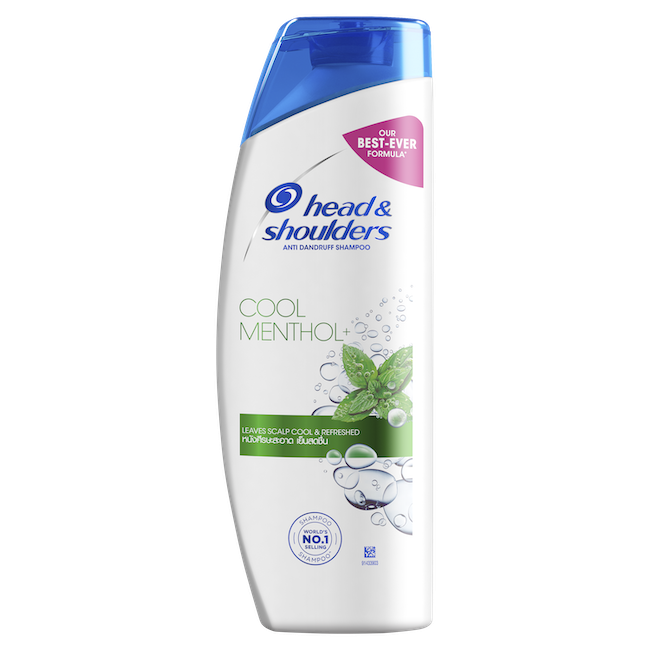
To protect your scalp and hair from the intense humidity, we recommend washing your hair once a day with Head & Shoulders Cool Menthol Anti-Dandruff Shampoo to effectively clean your scalp and prevent buildup and the roots. You don’t have to worry about over washing because this shampoo is dermatologically tested, pH balanced and boosted with antioxidants for gentle dandruff treatment. It leaves your scalp with a menthol fresh feeling while keeping your hair beautifully moisturized.
After shampooing,it is great to use Head & Shoulders Cool Menthol Anti-Dandruff Conditioner to keep hair moisturized with a gentle formulation, suitable for daily use.
Dandruff isn’t as difficult to fight as it seems when you know why and what’s causing it. While there are a variety of options you can choose from, it’s great to use products backed with years of research-proven to treat dandruff. Head & Shoulders products are formulated by experts to keep your scalp 100% dandruff-free* while sealing in moisture.
*No visible flakes with regular use
*All references on this page refers to hair fall or hair loss due to breakage.

